New vessels

Articles

Find out the latest updates and more in depth information from our experts on Scillonian IV and Menawethan.

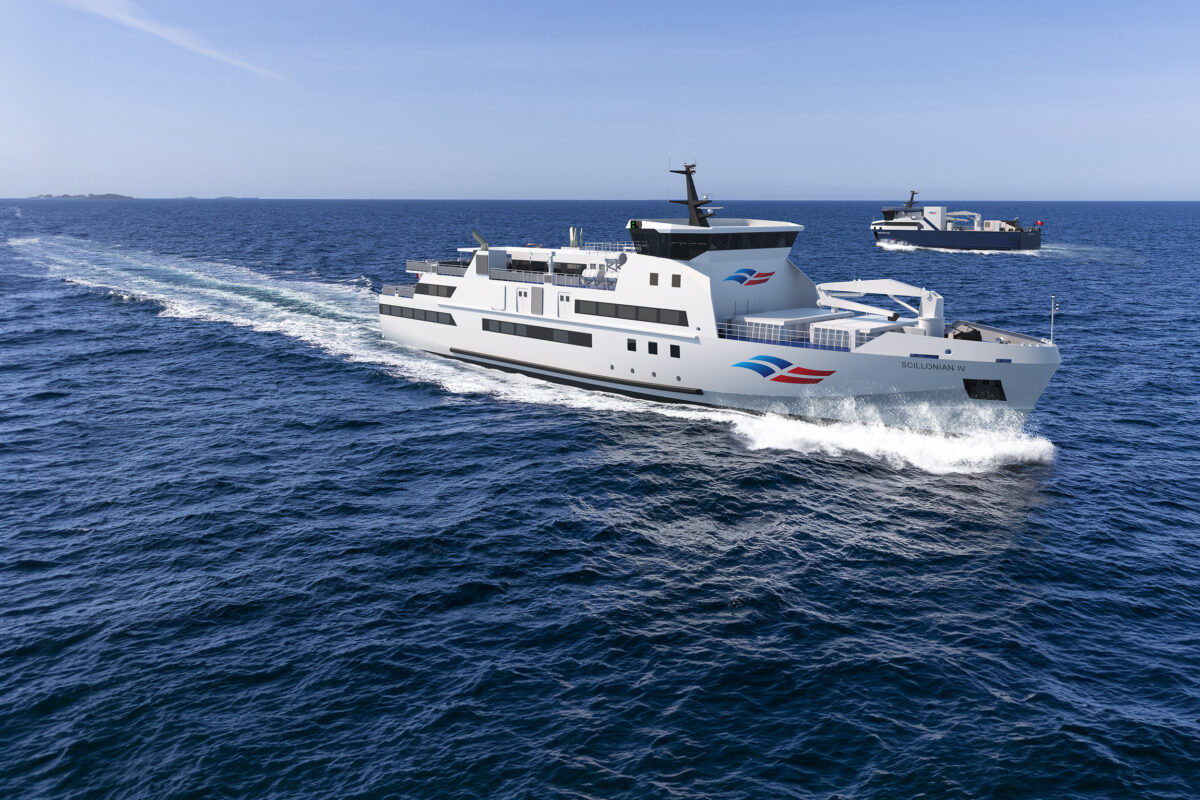
Scillonian-IV-passenger-ferry-and-menawethan-freight-vessel-1200x800.jpg

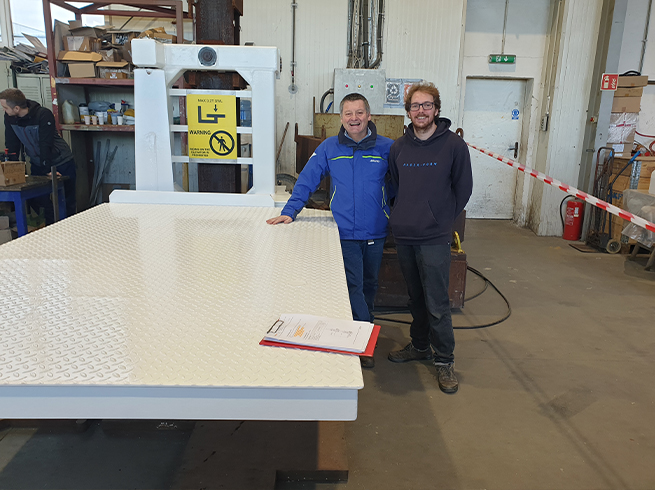
We are proud to be working with two leading Cornish companies, Armada Engineering Ltd and Wills Ridley Ltd, to supply hydraulic and steering systems for our new vessels, Scillonian IV and Menawethan.

Armada Engineering Ltd and Wills Ridley Ltd both have long histories of working with the Steamship Group, providing maintenance support on the company’s current vessels for more than 30 years.

Falmouth-based Armada is a world leader in marine hydraulics and engineering, with an office and workshop in Barcelona to service the superyacht industry.

The company has an unrivalled reputation creating state-of-the-art hydraulic systems and engineering solutions for marine vessels of all kinds, and works in markets including renewable energy, oil and gas, mining and construction.

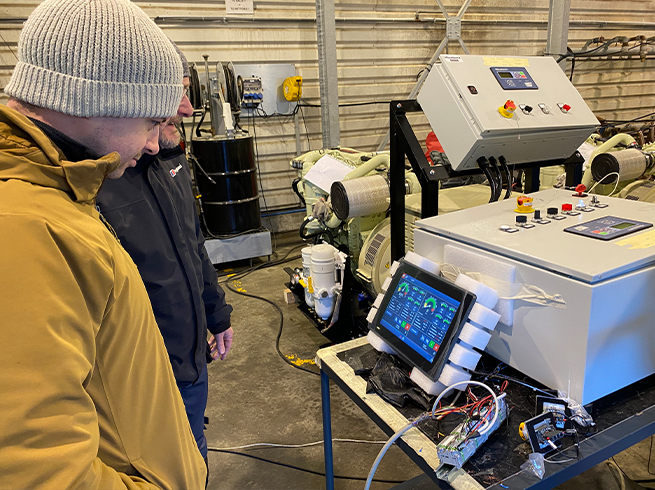
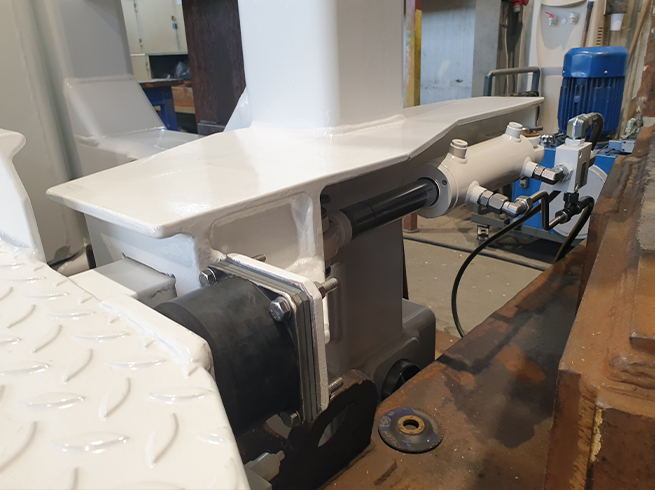
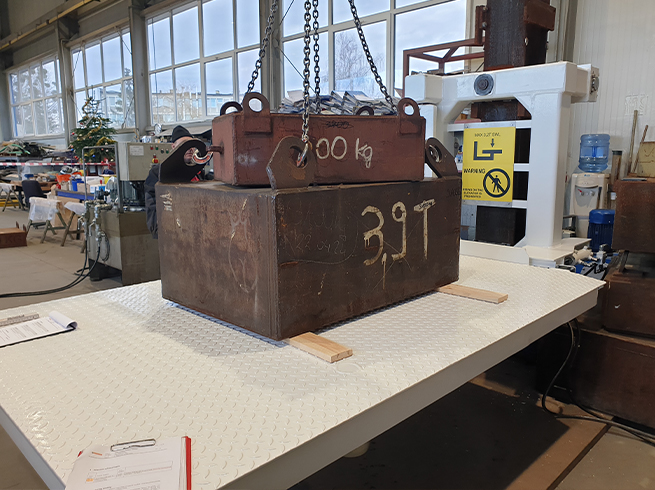
The hydraulic power units for Scillonian IV and Menawethan will be designed, built and tested at Armada’s workshop in Falmouth before being shipped to Vietnam for installation.

On Scillonian IV, these will power the windlass and gangway davits, and on Menawethan, the unit will power the deck hatches, cargo crane, pallet lift, side door, bow thrusters, windlass and the fore and aft capstans.

Wills Ridley has designed and manufactured hydraulic steering gear, electrical controls and rudders since 1963. With agents in 32 countries, it supplies the commercial, military, and superyacht marine sectors.

The components for the steering gears will be manufactured at Wills Ridley’s factory in Penryn before being installed and tested in Vietnam.

The electrical controls for Scillonian IV and Menawethan utilise state-of-the-art technology. There are multiple steering positions where the rudders can be controlled independently, and there is an option for the rudders to be synchronised electrically. The steering system must interface with other electrical systems, such as the autopilot.

As part of the safety system on board the two vessels, the steering gear is designed and manufactured in accordance with Lloyds Register of Shipping rules.

Stuart Reid, Chief Executive of the Isles of Scilly Steamship Group, said: “I am delighted that our trusted and valued relationships with Armada and Wills Ridley will continue, with the companies not only supplying the new hydraulic and steering systems, but providing ongoing technical support for the new vessels.”

Joff Collins, Managing Director of Armada, said: “We are genuinely honoured to be continuing our long association with the Isles of Scilly Steamship Group. We’ve been providing maintenance support to the Group’s fleet of vessels for 30 plus years, so we understand what a lifeline they are to the local community.

“I’d like to thank the Steamship Group for a successful partnership spanning three decades, and to our technical director Alan Rowe for bringing this project to fruition with the help of our in-house design team Mike Tonkin, Murray Walker and Ben Rowe.”

Ryan Kitchener, Director of Wills Ridley, said: “These vessels have been discussed for many years, and it is great to see the project come to fruition. As a proud Cornishman, it is very rare to work on new-build vessels of this size that will operate on our doorstep. Everyone at Wills Ridley is excited to be part of this project.

“I look forward to attending the sea trials and using Scillonian IV in future as a passenger with friends and family once the vessels are in service.”

Scillonian IV and Menawethan are being built by Piriou, and are on schedule to be delivered in 2026 to meet the travel and freight requirements of the Isles of Scilly for generations to come.

The new vessels will feature a range of new technologies, helping to improve resilience, comfort and reliability. Scillonian IV will carry up to 600 people (a 24% increase on current levels) whilst reducing journey times. It will feature roll and pitch reduction systems, to enhance passenger comfort, and is designed utilising modern propulsion technologies that improve efficiency and reduce environmental impact. The vessel is also designed to integrate further enhancements as technology develops.

Menawethan will also include a range of improvements on the current vessel, including a much-enhanced cargo capacity and an improved capacity for perishable, chilled and frozen goods, meaning that supplies can be transferred between the mainland and the islands more reliably all year round. The freight vessel will incorporate a passenger lounge with accommodation for 12 passengers.


scillonian-iv-diagram-build-updates-jan-2025
Scillonian-iv-01-build-updates-jan-2025
Scillonian-iv-02-build-updates-jan-2025
Scillonian-iv-06-build-updates-jan-2025
Scillonian-iv-04-build-updates-jan-2025
Scillonian-iv-05-build-updates-jan-2025
Scillonian-iv-03-build-updates-jan-2025

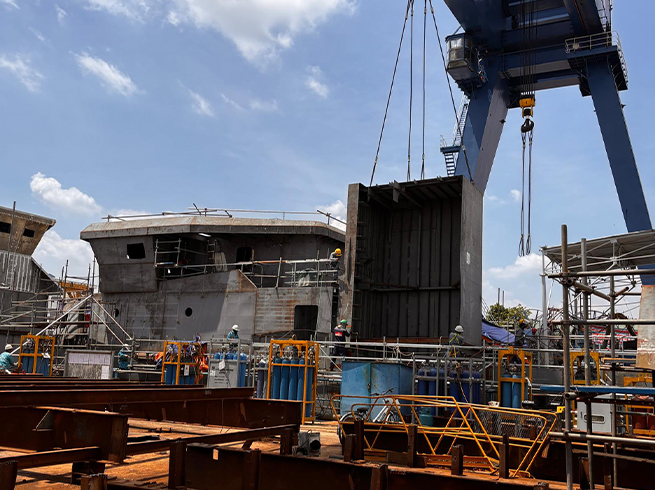
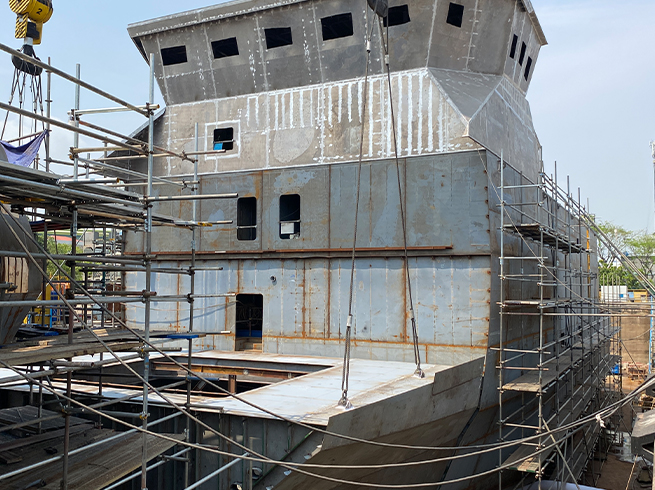
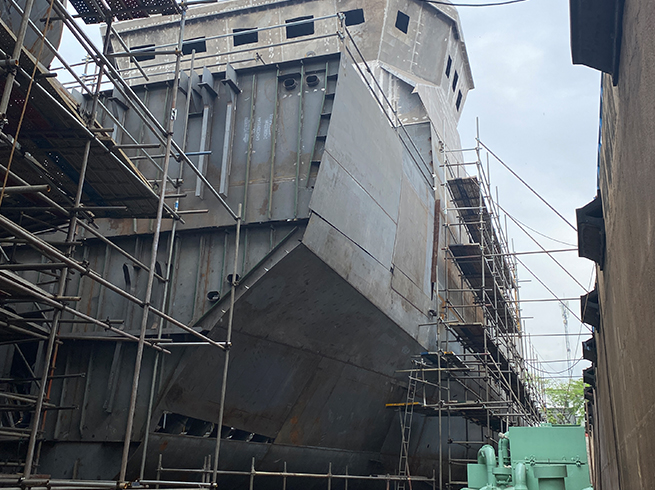
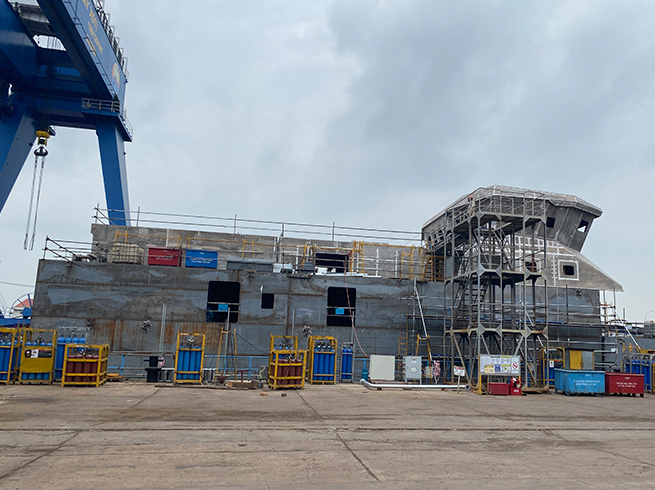
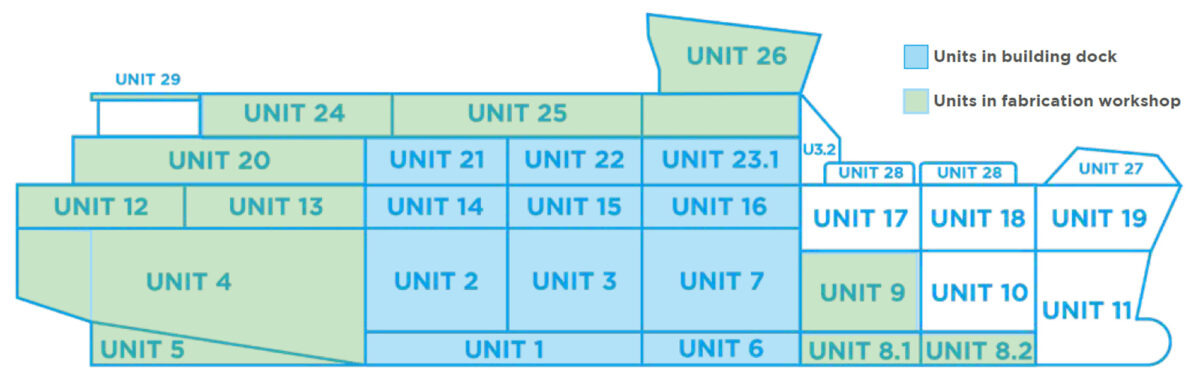
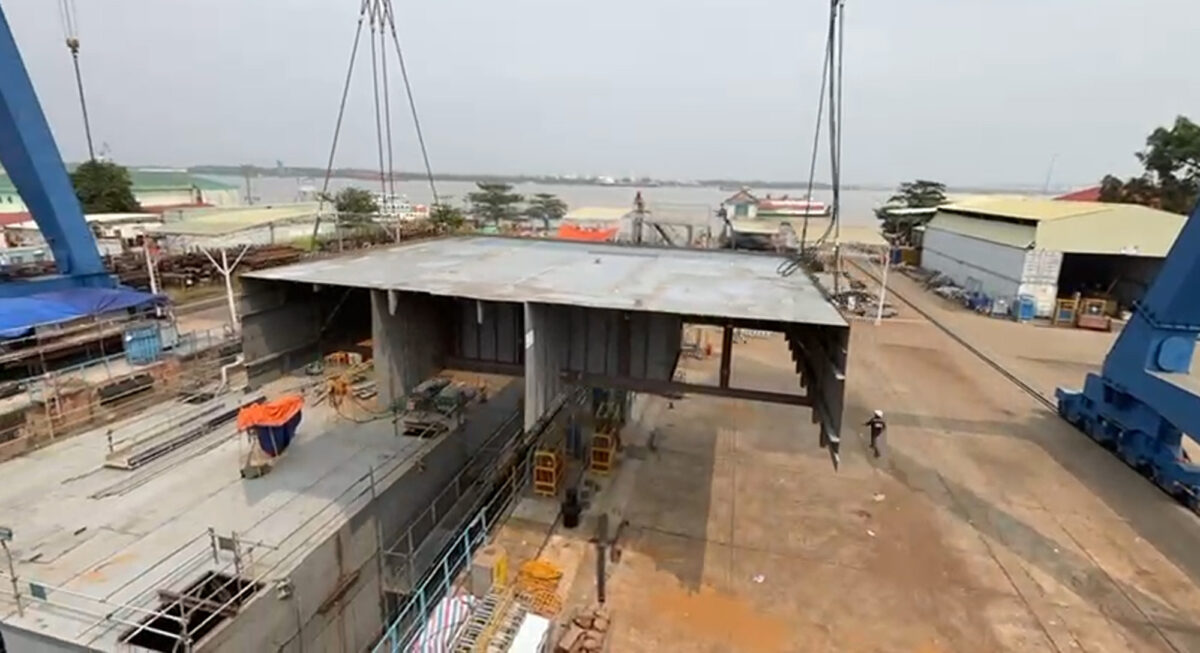
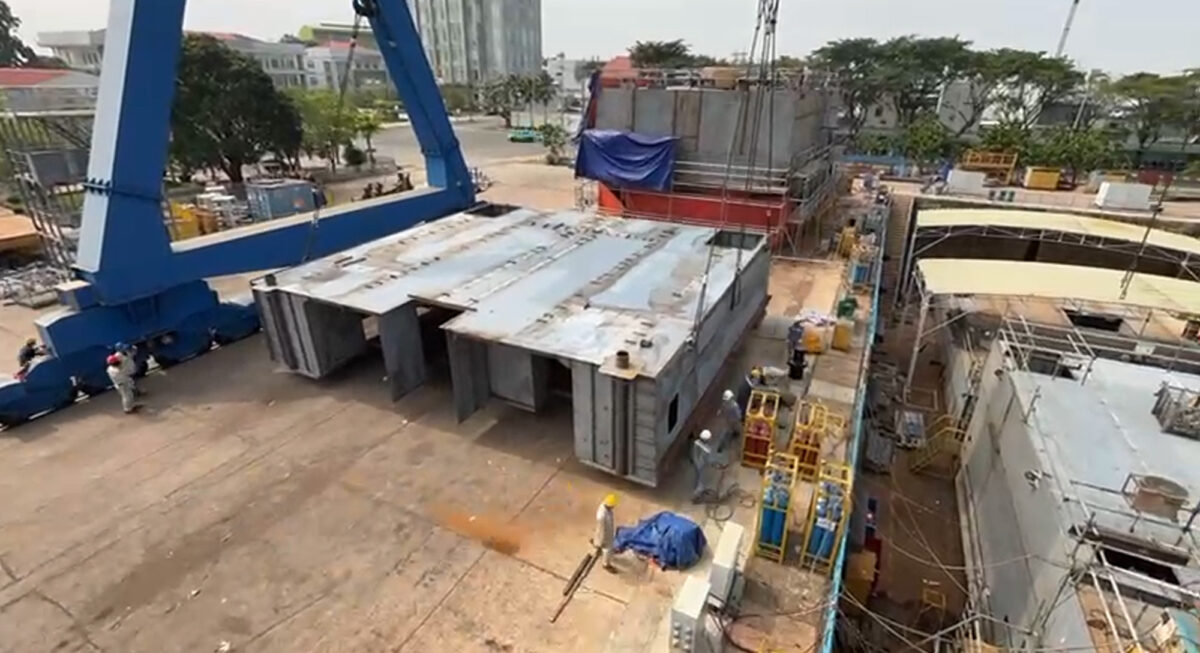
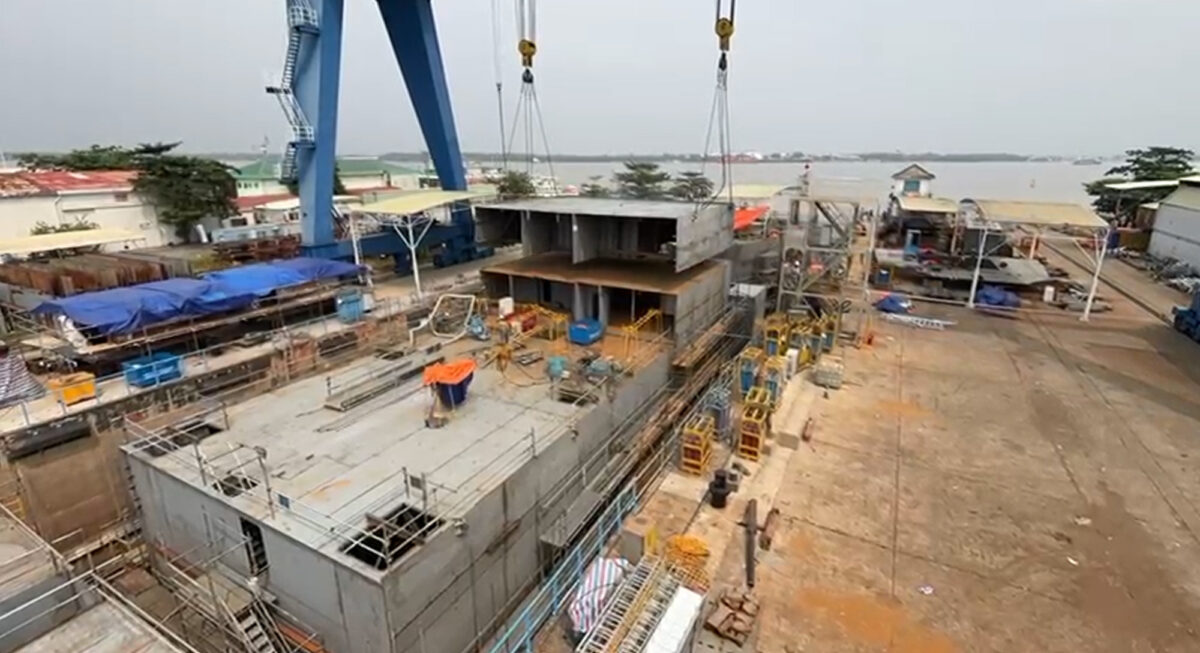
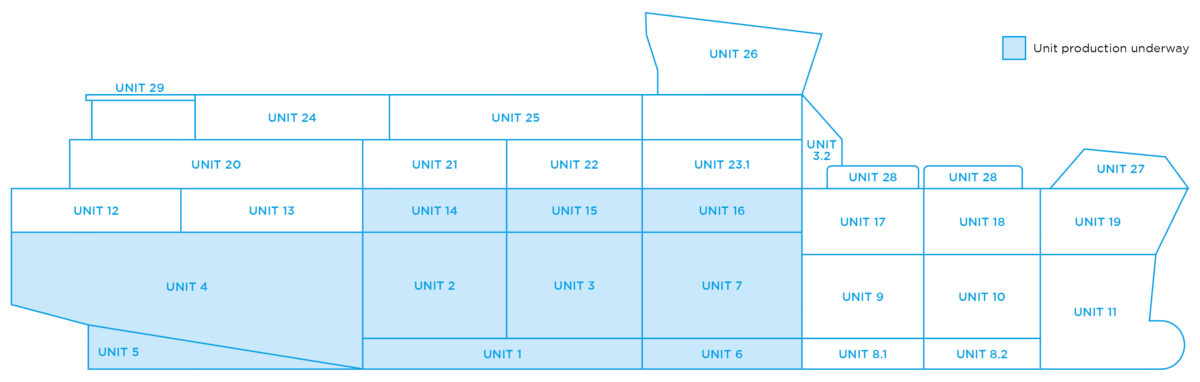
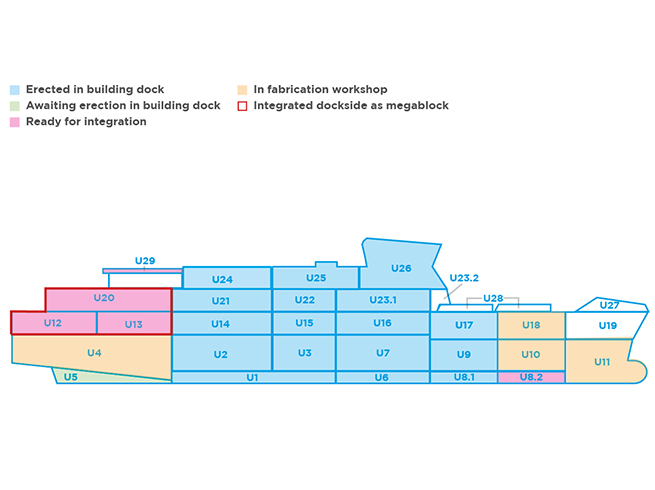
Scillonian IV has seen units 14 and 15, parts of the main deck (lower passenger lounge), integrated in the building dock, with units 1, 2, and 3, the double bottom, main engine room and auxiliary engine room, followed by units 6, 7 and 8, the double bottom, technical room and lower crew accommodation.

UNIT 22 INTEGRATION The main mid-section of the hull comprising a block of eight units, is now in situ in the dock. Units 21 and 22 (part of the upper passenger lounge, staircase and elevator shaft) have been integrated on top of units 14 and 15.

On the quayside, units 8.1, 8.2 and 9, hull blocks of the bow section are being fabricated and the largest block of all, unit 4 (the main engine room, switchboard room and steering gear room) is being fabricated in a workshop within the shipyard.

The wheelhouse and upper passenger lounge blocks unit 26, unit 25 and unit 24 are being fabricated in a specialist dedicated aluminium workshop within the shipyard.


Factory-acceptance-testing-170125-01
Factory-acceptance-testing-170125-02
Factory-acceptance-testing-170125-03
Factory-acceptance-testing-170125-04
Factory-acceptance-testing-170125-05
Factory-acceptance-testing-170125-06
Factory-acceptance-testing-170125-07

It’s been a busy start to 2025 for several members of the project team who have been travelling around Europe visiting suppliers.

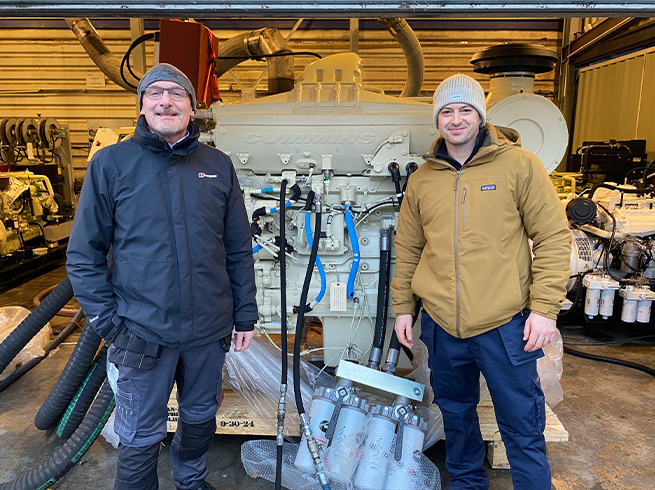
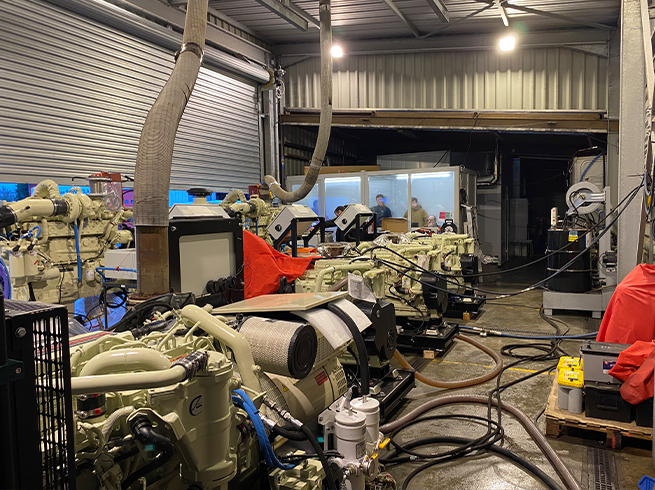
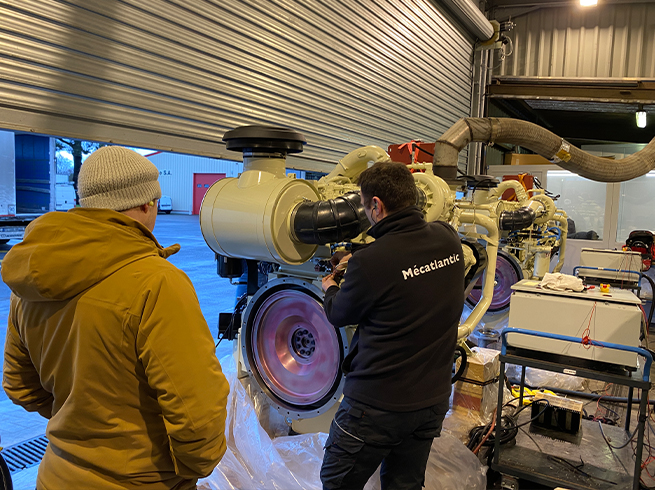
Chris Lingham and Scillonian III marine engineer Sam Noye have been in Nantes, France, visiting Mecatlantic, to attend factory acceptance tests for some of the electrical generator sets for both Scillonian IV and Menawethan.

Chris then travelled to Ghent, Belgium, for the factory acceptance tests (FAT) of the first main engine for Scillonian IV at the ABC factory on Friday 10th January. He then went to Bergen, Norway, to attend FAT for the pallet hoist control system, manufactured by MacGregor, before returning to Ghent for FAT of the second main engine for Scillonian IV, on Friday 17th January.

Sam remained in Nantes to complete the FAT for the generators with Mecatlantic.

Scillonian III Master Dave Redgrave and Gry Maritha Master Tom Sexton have been in Poland visiting MacGregor, the factory making the pallet hoist and side door for Menawethan and witnessing the FAT.

The factory acceptance tests include testing of the machinery safety systems and performance of the equipment enabling any issues to be identified before the machinery is delivered to the shipyard. Our classification surveyors, Lloyd’s Register, will attend the FATs for the main engines, generators, electrical switchboards, gearboxes, etc and issue certificates on completion of satisfactory test, as part of the supply chain quality assurance process.
Piriou and ISSG attend the factory acceptance tests to verify the performance of the machinery and confirm that it functions correctly and in accordance with specification. Should there be any issues, these can be addressed and resolved prior to the machinery being delivered to the shipyard.

SC4-UNIT-DIAGRAM-1200x382.jpg

There has also been notable progress on the construction of our new passenger vessel, with significant advancements across multiple hull blocks.

Hull Block U6: Double Bottom

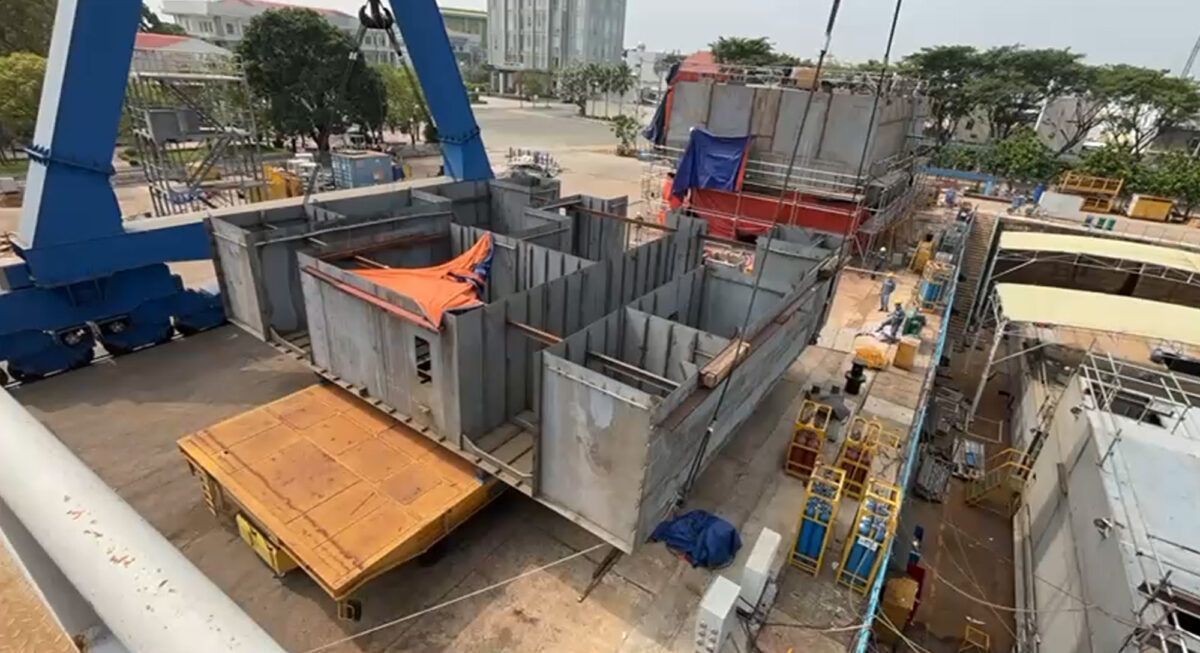
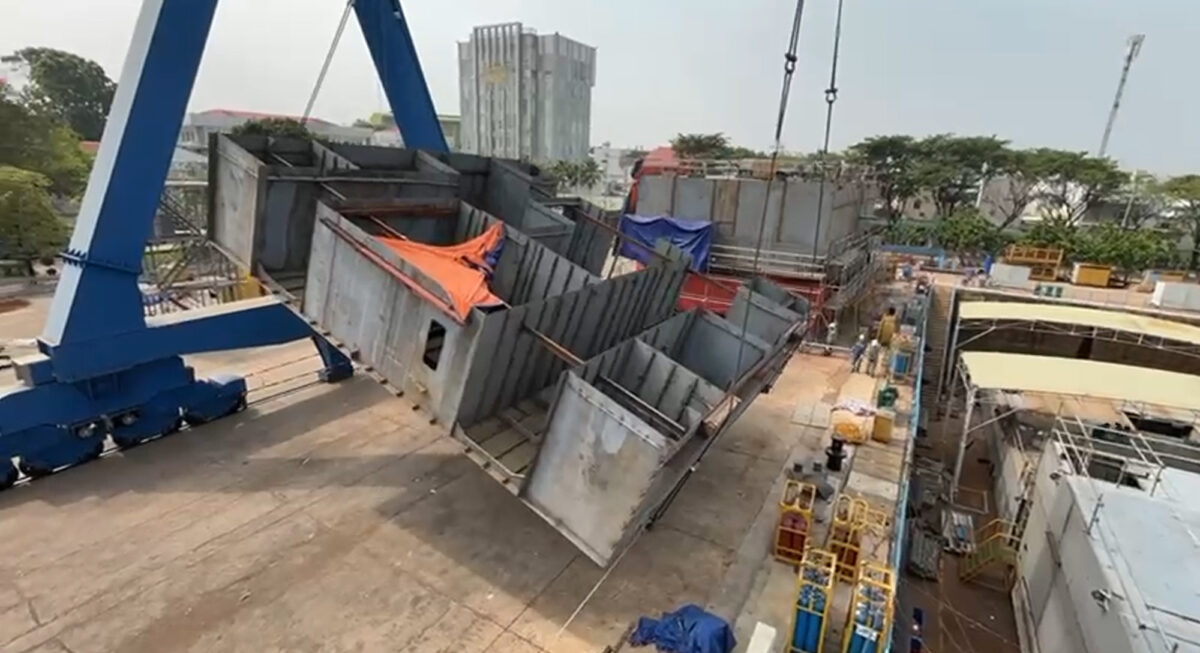
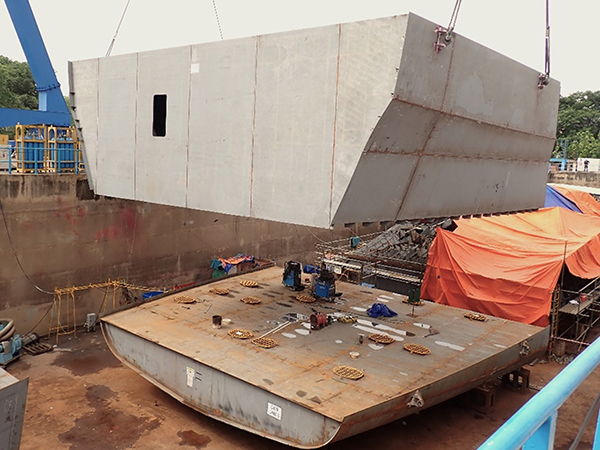
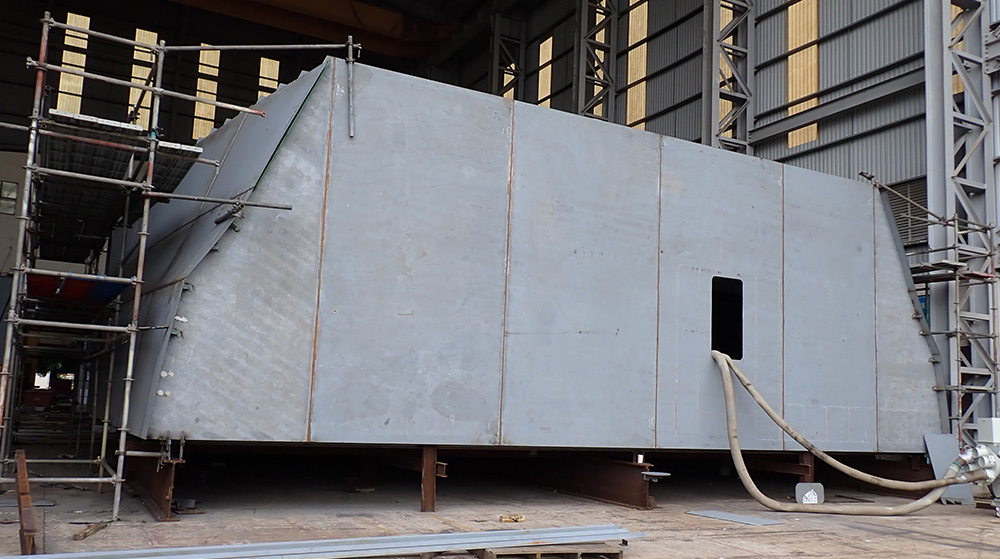
This block, initially fabricated in the building dock in an inverted position, was successfully lifted, turned over, and set in place where it was integrated with other hull blocks. U6 comprises of double bottom tanks for ballast water, fuel oil and void spaces.

Hull Block U7: Lower Crew Accommodation and Technical Room

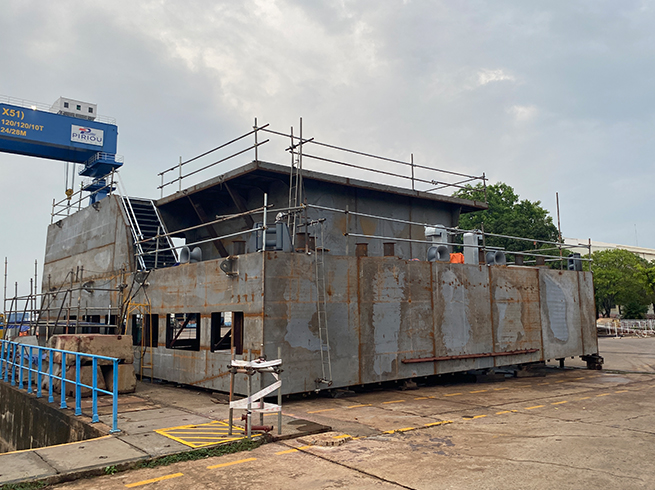
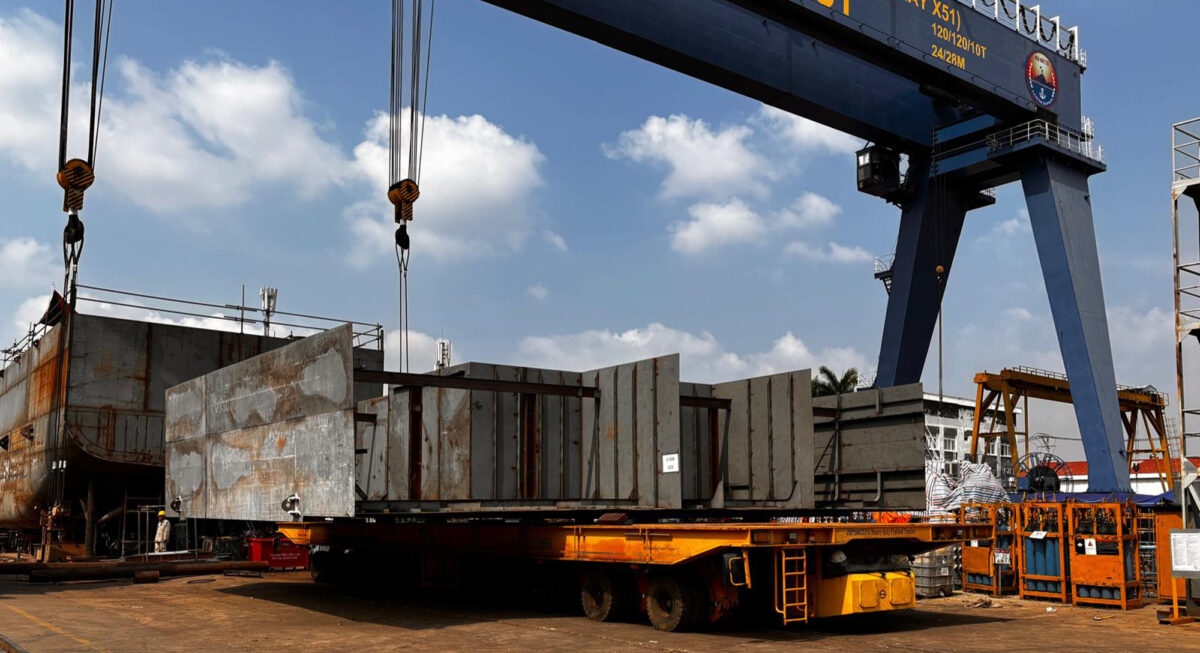
After completion and inspection in the fabrication workshop, hull block U7 was transported to the dockside on a transporter. It was turned right-sideup with the Goliath crane and lifted into position above U6 in the building dock, where it was integrated with precise dimensional accuracy.

Hull Block U1: Engine Room Double Bottom

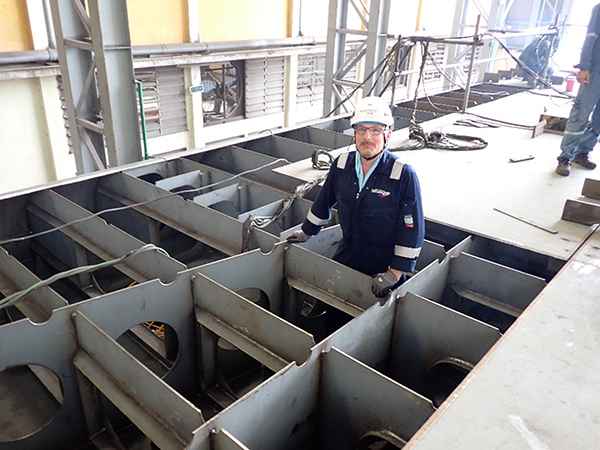
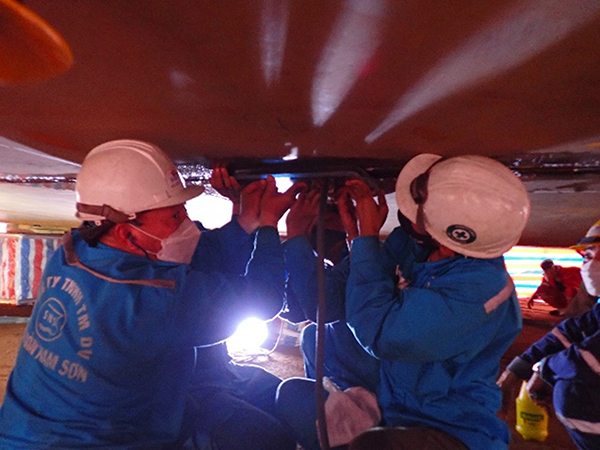
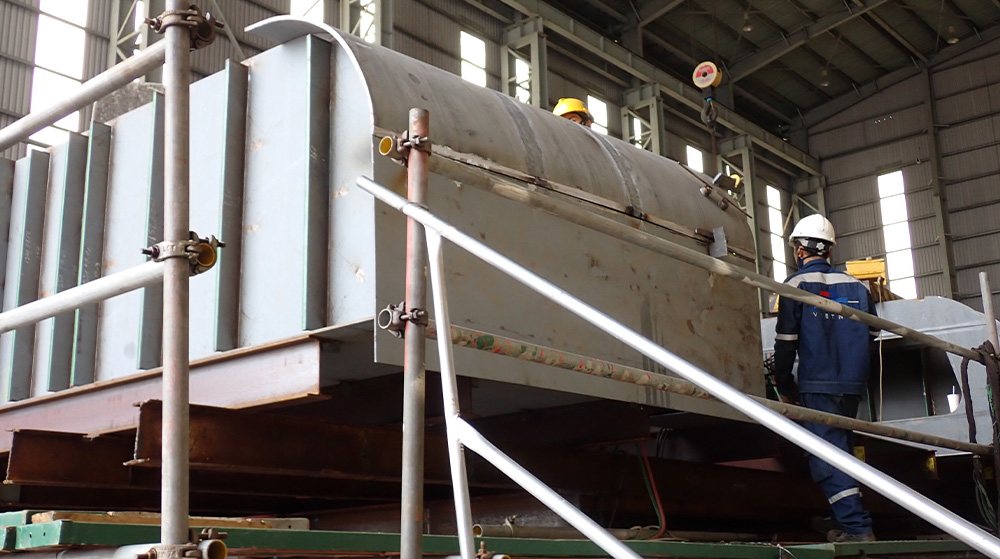
Currently under construction in the fabrication workshop, U1 will form the double bottom under the vessel’s engine room. Our site team with Lloyd’s Register surveyors have conducted thorough checks on the internal structures and welding, with radiographic non-destructive testing and vacuum box testing on the keel plate’s hull welding. The keel doubler plate was then installed following these stringent quality checks.

Hull Block U3: Auxiliary Machinery Space

Construction has been completed in the fabrication workshop; this block will house essential auxiliary machinery. This block will be transported to the building dock in early November and integrated with U1.


SC4-Sep-2024-1200x671.jpg

Scillonian IV remains on schedule for delivery in 2026. The hull is also being constructed in units but due to the extra complexity it will consist of 28 unique units, as shown below.

Steel construction of units one, six and seven is underway and steel cutting is underway for unit 16.

Unit 7

Unit 7

Chris and Peter work closely with Piriou’s management and production teams. Currently, there are 105 steel fabricators working on our vessels and many more working behind the scenes on the
detailed design and system integrations.

Each vessel unit is inspected daily by our project team for construction quality and safety. The workmanship and HSE standards are consistently high. The build is also being overseen by classification society surveyors from Lloyd’s Register, who ensure that the builds meet the specific class rules and statutory standards.


SC4-CGI-1200x619.jpg

We are pleased to inform our readers of significant developments with Scillonian IV.

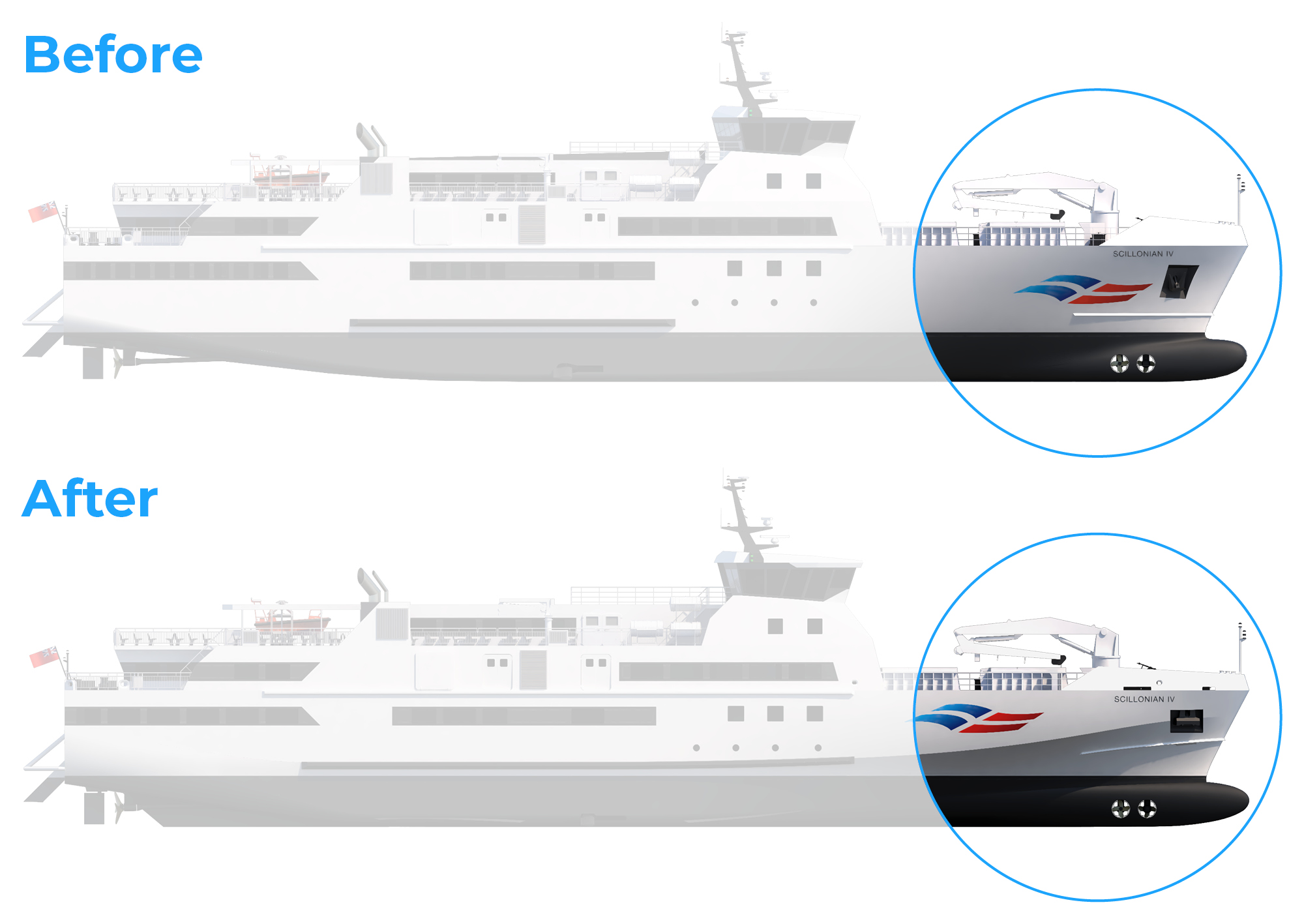
The naval architects, Van Oossanen have been working to optimise the hull form which, combined with its patented Hull Vane®, will provide a total efficiency gain of 17% at 16 knots, with corresponding reduction in fuel consumption and exhaust emissions.

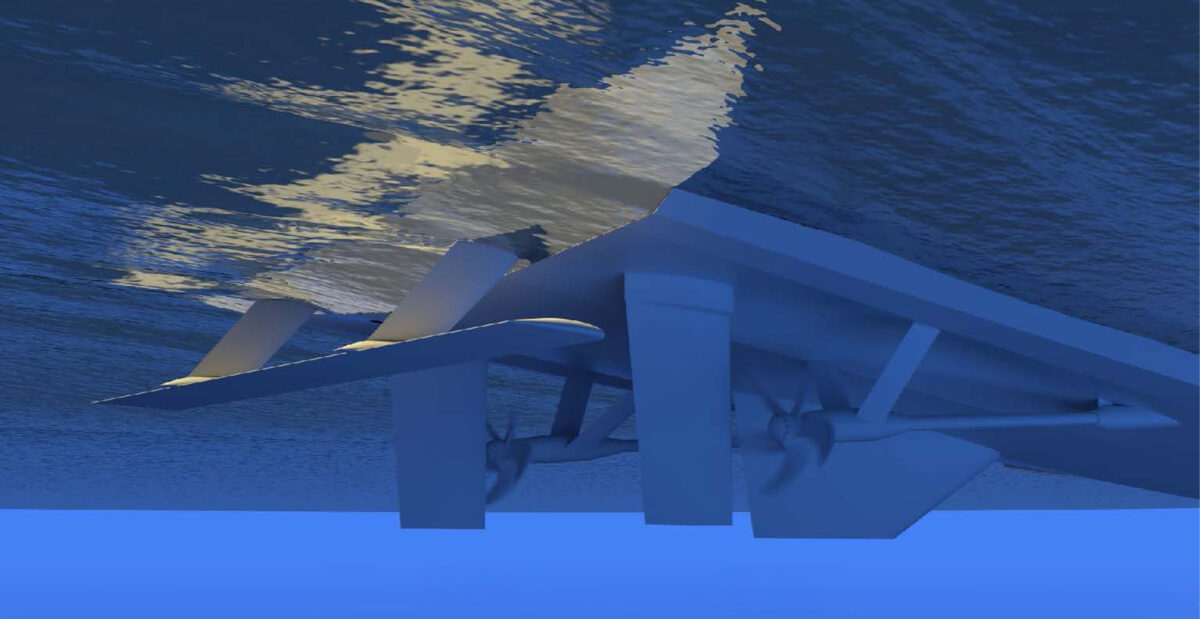
The Hull Vane® is a wing, mounted at the stern of the vessel that converts water flow over the wing into forward thrust.

These optimisations have the added benefit of further damping the pitch and rolling motion of the vessel, providing increased passenger comfort.


Hull-vane-1200x619.jpg

We have been working closely with Piriou developing and finalising the vessel designs ready for building to commence in June. The Scillonian IV design progression has seen the introduction of a Hull Vane®.

The Hull Vane® consists of a submerged fixed wing at the stern of the vessel. A wing placed in a flow generates two forces: a lift force and a (much smaller) drag force. The flow under the aft ship is not horizontal but angled upwards. When designed well, the force generated from the Hull Vane®, which is the sum of the lift and drag force, is angled forward.

This means that it has a vertical component (lifting the aft ship), as well as a net forward horizontal component (pushing the ship forwards). Model tests in waves have shown that the Hull Vane® significantly reduces ship motions such as pitching, heaving, rolling and yawing, and thereby reduces the added resistance from these motions by 10 to 30%.

Furthermore, when the ship is pitching, the Hull Vane® produces more forward thrust, an effect which is called the “pumping effect”, as it is similar to what surfers do on surfboards equipped with hydrofoils.

15 knots with Hull Vane®
15 knots without Hull Vane®